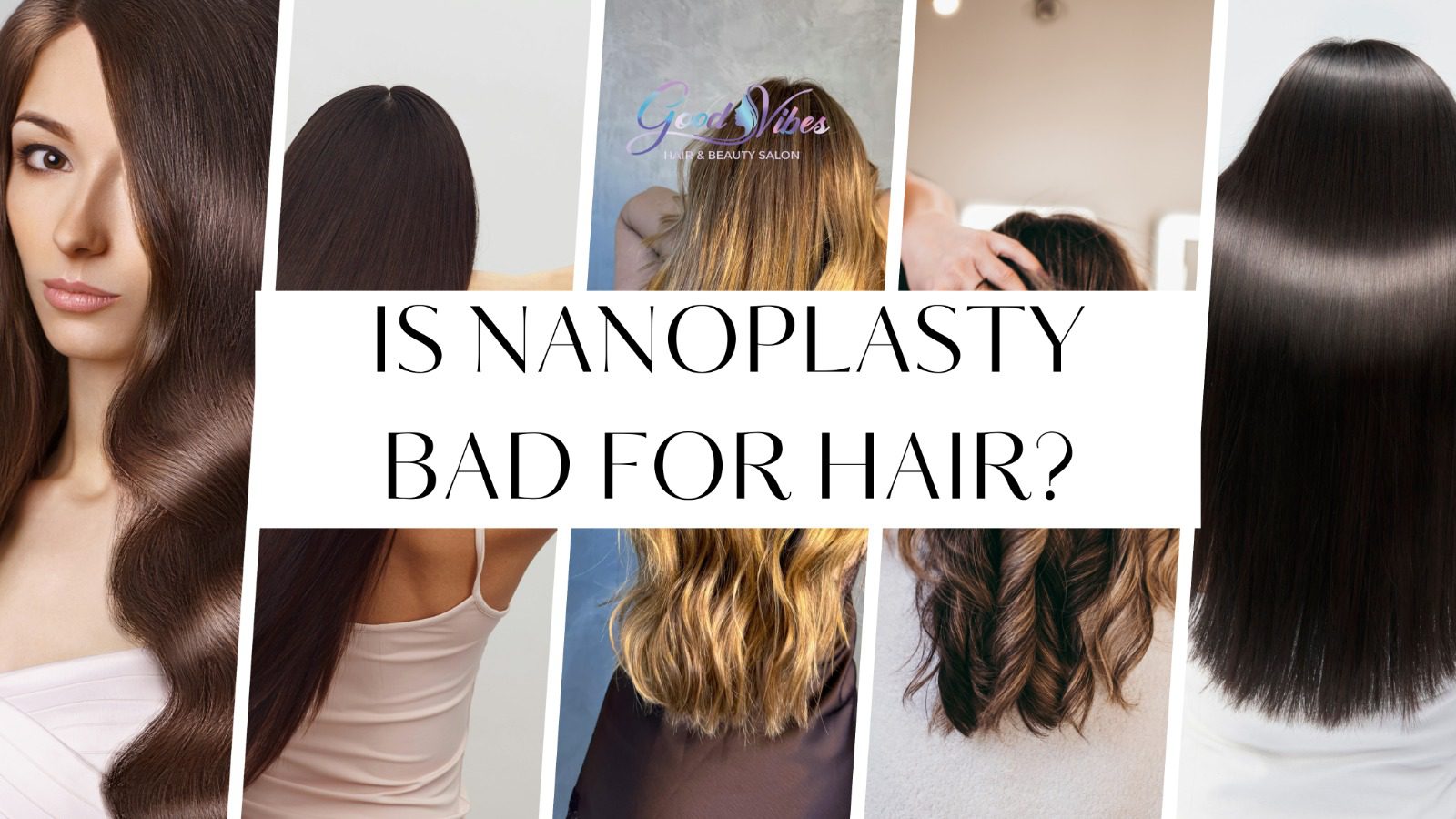
Is Nanoplasty Bad for Hair? Everything You Need to Know
You’ve probably heard the buzz about nanoplasty, the “gentler” hair treatment that promises silky, frizz-free hair without harsh chemicals. But a nagging question keeps coming up: is nanoplasty actually bad for your hair? The short answer is, not if it’s done correctly.
Nanoplasty is generally considered one of the safer hair smoothing treatments available today. It uses amino acids and proteins to restore hair structure rather than break it down. That said, like any chemical treatment, it does carry some risks, especially if it’s overdone, applied by an untrained hand, or used on already-damaged hair.
In this article, we’ll walk you through everything, from what nanoplasty is, how it compares to other treatments, what the process looks like, and how to take care of your hair afterward.
What Is Nanoplasty? Understanding the Basics
Nanoplasty is a hair smoothing treatment that works at a molecular level. The word “nano” refers to the tiny size of the active molecules used, they are small enough to penetrate deep into the hair shaft and repair it from within.
Unlike older straightening methods that use harsh chemicals to break down the hair’s natural bonds, nanoplasty relies on amino acids, collagen, and other nourishing proteins. These ingredients fill in gaps and damage in the hair fiber, leaving it smoother, shinier, and more manageable. It was developed as a safer evolution of keratin treatments, and over the years, it has grown in popularity across salons worldwide.
There are a few different types of nanoplasty treatments available. Some are focused purely on smoothing and reducing frizz, while others offer a more dramatic straightening effect. The strength and formula vary by brand, so it’s always worth asking your stylist exactly which product they plan to use.
How Does Nanoplasty Work?
When hair is damaged, whether from heat, coloring, or environmental stress, tiny gaps and breakages appear in the hair’s cuticle and cortex. Nanoplasty works by using nanotechnology-sized particles to enter these gaps and fill them in.
The active ingredients, mainly amino acids and hydrolyzed proteins, bond with the hair’s keratin structure. This process essentially rebuilds the hair fiber from the inside out. Heat from a flat iron is then used to seal the treatment in place. The result is hair that looks healthier, feels softer, and is significantly easier to manage.
According to cosmetic hair science, amino acids like cysteine (a key ingredient in many nanoplasty formulas) are among the most effective compounds for hair repair. They are naturally occurring in hair and do not force unnatural chemical changes the way formaldehyde-based treatments do.
One important distinction: most nanoplasty formulas are formaldehyde-free or contain extremely low levels of the compound. This is a significant improvement over older Brazilian blowout or relaxer treatments.
The Benefits of Nanoplasty for Hair
Many people turn to nanoplasty for one simple reason, it works. Here are the key benefits you can reasonably expect:
Hair becomes noticeably smoother and frizz-free, often within a single session. The treatment also adds shine and makes hair easier to style on a daily basis. For people who spend 30–45 minutes fighting frizz every morning, this alone can be life-changing.
Beyond aesthetics, nanoplasty can genuinely improve hair health. Because it deposits proteins and amino acids, it helps strengthen weak or brittle strands. People with chemically processed or heat-damaged hair often notice real improvement in texture and manageability.
The results typically last between 3 to 6 months, depending on hair type, aftercare routine, and how often you wash your hair. That’s a fairly long-lasting result for a single treatment.
Nanoplasty vs. Other Hair Treatments
It’s easy to confuse nanoplasty with similar treatments. Here’s a quick breakdown.
Nanoplasty vs. Keratin Treatment: Keratin treatments coat the hair’s outer layer with a protein film. Nanoplasty goes deeper, it actually penetrates the hair shaft. This makes nanoplasty more effective for damaged hair and longer-lasting in many cases. Keratin is great for quick smoothing; nanoplasty is better for actual repair.
Nanoplasty vs. Brazilian Blowout: Brazilian blowouts are often formaldehyde-based, which raises health concerns. Nanoplasty is generally safer in this regard. However, Brazilian blowouts can last slightly longer for some hair types. If you’re sensitive to chemicals or concerned about fumes, nanoplasty is the better choice.
Nanoplasty vs. Hair Straightening (Relaxers): Traditional chemical straightening permanently breaks down the hair’s bonds. This is irreversible and can cause serious damage over time. Nanoplasty is semi-permanent and does not permanently alter the hair structure, it’s a much gentler option.
Nanoplasty vs. Hair Spa: A hair spa is a deep conditioning treatment that hydrates and nourishes hair. It doesn’t straighten or smooth hair in the same way nanoplasty does. Think of a hair spa as regular maintenance and nanoplasty as a more intensive treatment. Both can complement each other well.
The Nanoplasty Process: Step by Step
If you’re considering the treatment, here’s what you can expect during a typical session.
First, your hair will be washed with a clarifying shampoo to remove buildup and open the cuticles. This allows the treatment to penetrate more effectively. Your stylist will then apply the nanoplasty formula section by section, making sure every strand is coated evenly.
After the product is applied, it typically sits on the hair for 20–45 minutes, depending on hair thickness and condition. Then a flat iron, usually set between 230°C and 250°C, is used to seal the treatment into the hair shaft. This is the step that locks in the results.
The entire process usually takes between 2 to 4 hours, depending on hair length and thickness. The cost varies widely by salon and location, but you can generally expect to pay anywhere from $150 to $400 or more in most markets.
Before You Go: Dos and Don’ts
Before the treatment: Don’t use heavy conditioning products or oils for 2–3 days beforehand. Do make sure your scalp is healthy and free of any irritation. If you’ve recently colored your hair, let at least two weeks pass before booking a nanoplasty appointment.
After the treatment: Avoid washing your hair for 48–72 hours after the session. This gives the treatment time to fully bond with the hair. When you do wash, use a sulfate-free shampoo, sulfates can strip the treatment and shorten its lifespan significantly.
Also avoid using hair ties, clips, or headbands for the first few days, as these can leave marks or dents in the hair while the treatment is still setting. Sleep on a silk pillowcase if possible.
Potential Risks and Side Effects
This is the part that most people want to know about, so let’s be straightforward.
Nanoplasty is generally safe, but it’s not without risks. If applied incorrectly or too frequently, it can cause protein overload, which makes hair feel stiff, brittle, and prone to breakage. This is why following a proper aftercare routine matters.
Some people may also experience scalp sensitivity or mild irritation from the chemicals, particularly if the formula contains even trace amounts of formaldehyde or preservatives. It’s a good idea to ask your stylist for the full ingredient list before you commit.
Over-processing is another concern. If nanoplasty is applied to hair that’s already been heavily bleached or relaxed, the additional heat and chemicals can push the hair past its tolerance point. Always consult your stylist honestly about your hair history.
Nanoplasty for Different Hair Types
Nanoplasty works for most hair types, but the results and recommendations vary.
For curly hair, nanoplasty will loosen the curl pattern and reduce volume. It won’t make curly hair pin-straight unless a stronger formula is used. Many curly-haired clients love it for reducing frizz while keeping some movement.
For fine and thin hair, nanoplasty can be a double-edged sword. The smoothing effect is lovely, but too much protein can weigh thin hair down or make it feel stiff. A lighter formula and shorter processing time is usually recommended.
For color-treated hair, nanoplasty is generally safe, but timing matters. Getting nanoplasty done right before or after a color service can compromise both results. Space the treatments out by at least two weeks.
For thick and frizzy hair, nanoplasty tends to deliver the most dramatic and satisfying results. These hair types typically need more product and respond very well to the treatment.
Not sure if it’s right for you? A consultation with a trained stylist is the best starting point. They can assess your hair condition and recommend the most suitable formula.
How to Maintain Your Results
Getting nanoplasty done is just the first step. How you care for your hair afterward determines how long the results last.
Use sulfate-free, sodium chloride-free shampoo and conditioner. These products are gentler and won’t strip the treatment. Wash your hair 2–3 times a week rather than daily to preserve the smoothing effect longer.
Limit heat styling where possible. Yes, one of the benefits of nanoplasty is that your hair dries smoother on its own — so you won’t need to reach for the flat iron as often. When you do use heat, always apply a heat protectant first.
Regular trims, deep conditioning masks, and avoiding chlorine (from swimming pools) will all help extend your results. On average, most people schedule a follow-up nanoplasty session every 3 to 5 months.
If you skip proper aftercare, the results will fade much faster, sometimes within 6–8 weeks. In some cases, neglect can also cause uneven texture or increased dryness.
Choosing the Right Salon and Professional
This is perhaps the most important factor of all. Nanoplasty is a skill-dependent treatment. The same formula can produce dramatically different results depending on who applies it.
Look for a stylist who has specific training in nanoplasty, not just general chemical treatments. Ask to see before-and-after photos of their previous clients. Read reviews on Google or salon booking platforms and pay attention to comments about hair health, not just aesthetics.
Before booking, ask the stylist: What brand do you use? What are the key ingredients? How many nanoplasty treatments have you performed? Have you worked with my hair type before? A good stylist will welcome these questions.
Avoid salons that offer unusually low prices without explanation, quality products and trained professionals cost money. Cutting corners on a chemical treatment is never worth the risk.
Can You Do Nanoplasty at Home?
DIY nanoplasty kits are available, and some people do try them at home. The honest answer: it’s possible, but it’s not recommended for beginners.
The treatment involves high heat and chemical products that require precision to apply safely. Uneven application can lead to patchy results, and improper use of heat can cause damage. If you’re determined to try it at home, follow the instructions carefully, do a strand test first, and don’t skip the timing guidelines.
If you’ve never done it before, your first session is almost always better left in the hands of a professional. Once you’ve seen the process done correctly, a home kit becomes more manageable for maintenance.
The Evolution of Nanoplasty: Where Did It Come From?
Nanoplasty emerged in the early 2010s as hair professionals began looking for alternatives to formaldehyde-based smoothing treatments. As awareness grew around the health concerns of older products, brands started developing amino acid-based formulas that could deliver similar results with fewer risks.
Over the years, nanotechnology has allowed manufacturers to create smaller, more effective molecules that penetrate the hair shaft more deeply than ever before. Today’s nanoplasty formulas are significantly more refined than the early versions, with better ingredient profiles, longer-lasting results, and fewer side effects.
The future of the treatment is promising. Researchers are exploring even more targeted delivery systems, and there’s growing interest in combining nanoplasty with bond-building technologies similar to those used in products like Olaplex.
Nanoplasty for Men? Yes, It Works for You Too
Nanoplasty isn’t just for women. Men with thick, curly, or frizzy hair have increasingly turned to this treatment as an alternative to traditional products or chemical relaxers.
The process is identical for men, though the session time is typically shorter due to hair length. Results are especially popular among men dealing with unruly waves, coarse texture, or humidity-driven frizz. The treatment reduces styling time significantly and gives hair a polished, low-maintenance appearance.
One common concern men raise is whether the treatment will make hair look “too done.” The answer depends on the formula strength. A lighter formula will soften texture without making hair look overly smooth or flat.
Making an Informed Decision About Hair Treatments
At the end of the day, every hair treatment comes with trade-offs. Nanoplasty offers real benefits — but it works best when chosen thoughtfully and maintained properly.
Before any chemical treatment, ask yourself: What is my hair’s current condition? What result am I hoping for? Am I willing to follow the aftercare routine? The more honest you are in answering these questions, the better your experience will be.
If your hair is in poor condition, it might be worth spending a few months on deep conditioning and protein treatments before taking the nanoplasty step. Strong, healthy hair always responds better to any chemical service.
And if you ever feel uncertain, a second opinion from another stylist never hurts. Your hair is worth the extra care.
Final Thoughts
So, is nanoplasty bad for hair? Not really, when done right. It’s one of the more hair-friendly smoothing treatments available, particularly compared to older options. The key is choosing a skilled professional, using the right formula for your hair type, and following through with proper aftercare.
Like most things in hair care, the outcome comes down to informed choices. Now that you know what nanoplasty involves, the science, the process, the risks, and the rewards, you’re in a much better position to decide whether it’s right for you.

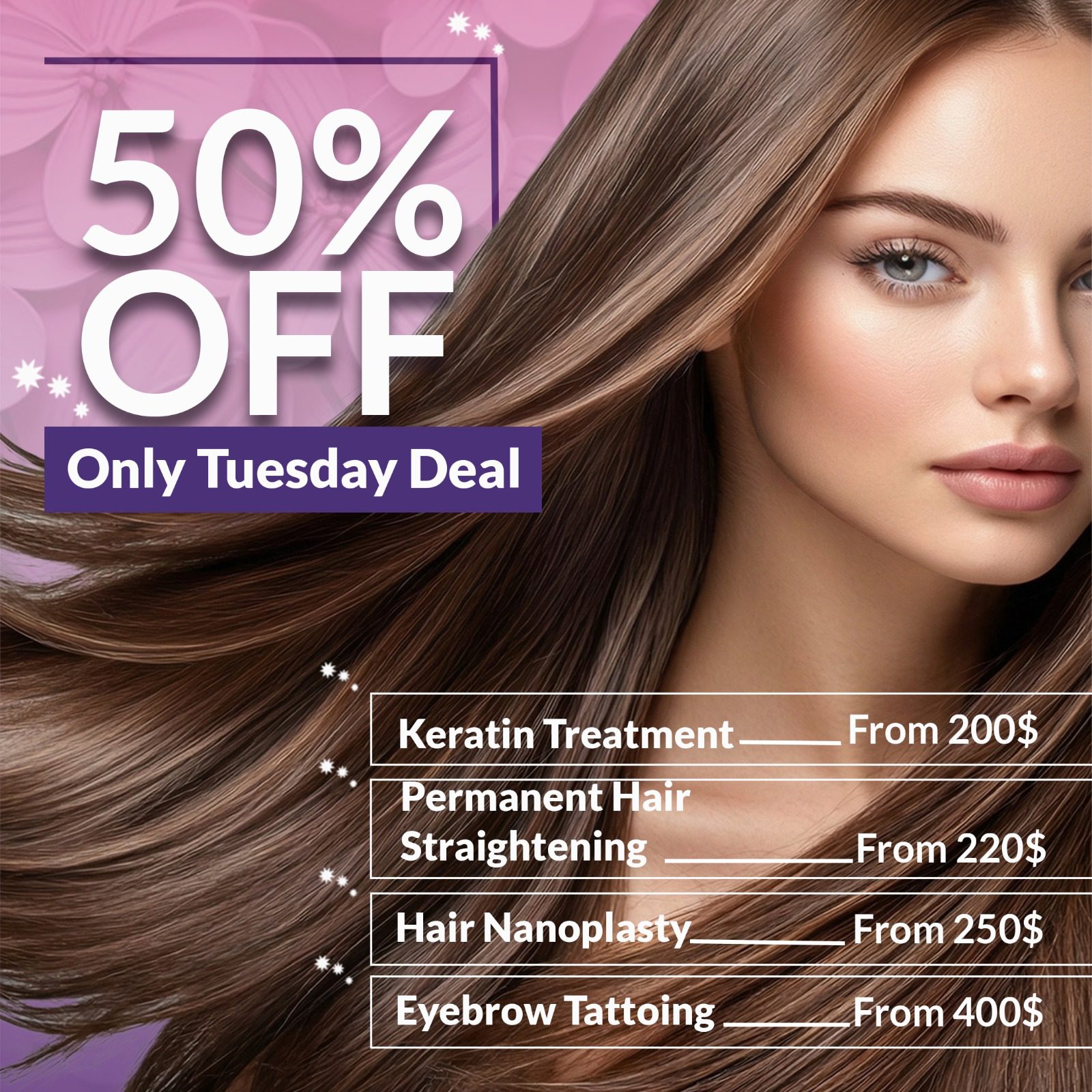
SALE 50% Off
Only On Tuesdays

Recent Posts