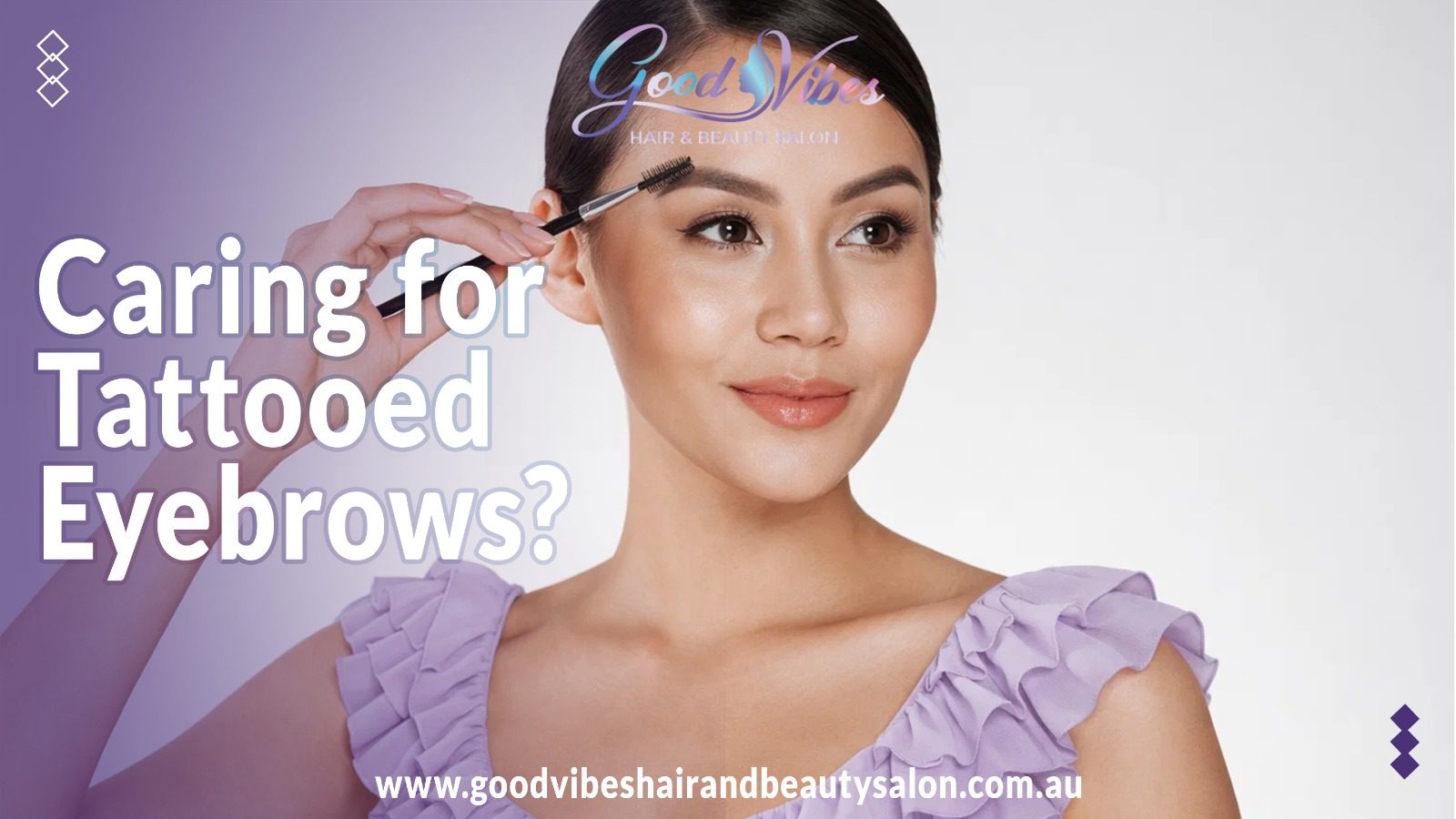
Caring for Tattooed Eyebrows: Your Complete Guide to Healing
You just walked out of your appointment with fresh, beautifully shaped eyebrows, and now you’re wondering what happens next. The days and weeks following an eyebrow tattoo are just as important as the procedure itself.
So here’s the straight answer: caring for tattooed eyebrows means keeping the area clean, moisturized, and protected from sun, water, and friction for at least the first two weeks. Most eyebrow tattoos take 4 to 6 weeks to fully heal, and what you do during that window will directly determine how your brows look long-term.
Whether you got microblading, powder brows, or a combination of both, this guide walks you through every stage of healing, what to expect, what to avoid, and how to get the best possible results.
Before We Get There — Preparing for Your Appointment
Good healing actually starts before you even sit in the artist’s chair. If you go into your appointment with healthy, well-prepared skin, your body will respond better and your results will last longer.
In the week leading up to your appointment, avoid retinol, exfoliating acids, and any active skincare ingredients around the brow area. These thin the skin and can make it more sensitive during the tattooing process. Stop taking blood thinners like ibuprofen or aspirin if your doctor allows it, as these can cause increased bleeding and affect how well the pigment sets. Alcohol should also be avoided for at least 24 hours beforehand for the same reason.
Don’t schedule your eyebrow tattoo appointment right before a big event, a beach vacation, or a swimming trip. Give yourself at least three to four weeks of relatively low-key downtime before any major occasion. Your brows will go through a lot during healing, and you want to be in a position to follow the aftercare instructions without interruption.
Microblading vs. Powder Brows — Does It Change Healing?
Before diving into the healing process, it’s worth knowing that different types of eyebrow tattoos heal slightly differently.
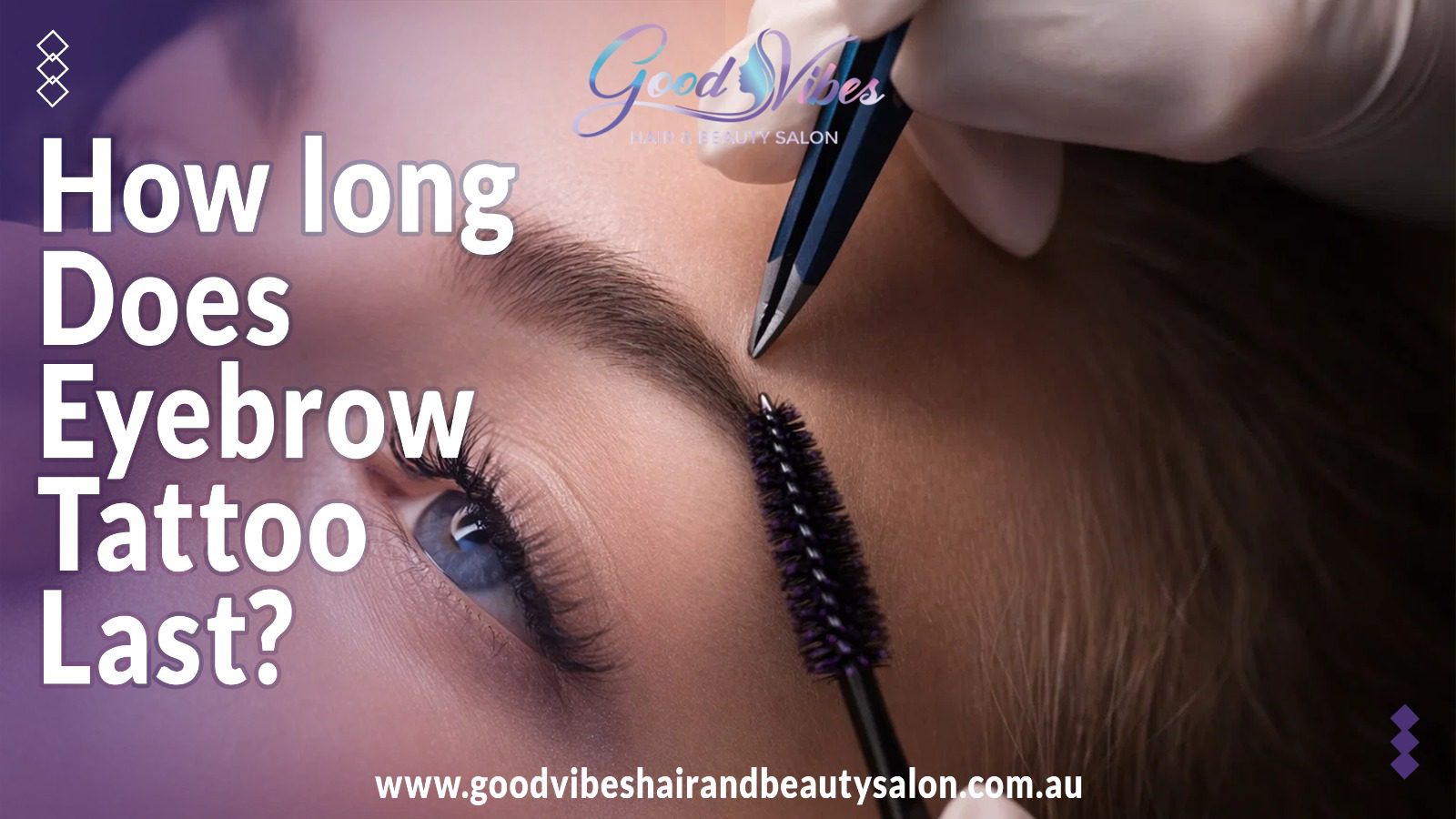
Microblading uses a small handheld blade to create fine, hair-like strokes in the skin, depositing pigment just below the surface. It creates a very natural look and is especially popular for people who want to fill in sparse areas. Because it involves small cuts in the skin, microblading tends to involve more visible scabbing during healing.
Powder brows (also called ombre brows) use a machine to deposit pigment in a soft, shaded pattern — similar to the look of filled-in brows with makeup. The technique is generally considered slightly more gentle on the skin, with less noticeable scabbing and often a more even heal.
Some artists offer a combination technique that uses both methods. Regardless of which type you choose, the healing principles are largely the same — but your artist will let you know if there are any technique-specific aftercare differences to keep in mind.
As for shape and color, these decisions are best made in consultation with your artist before the procedure begins. A good brow artist will map your face shape, take your natural hair color into account, and guide you toward a shape that flatters your features. Don’t be shy about asking questions or requesting adjustments during that mapping stage — it’s much easier to change the plan before the tattoo than after.
The Healing Stages: What Your Brows Will Look Like Week by Week
This is the part that surprises most people, and it’s important to know about it in advance so you don’t panic.
In the first one to three days after your appointment, your brows will look very bold and dark — often much darker than you expected. This is completely normal. The color you see immediately after the procedure is not the final result. There is also likely to be some redness, mild swelling, and a feeling of tenderness around the brow area. Your skin has essentially been worked on, so some initial reaction is expected.
By days three to five, the brows will begin to peel and flake. A thin layer of skin will start to lift away, often taking some pigment with it. This stage can look patchy and uneven, and it can be genuinely alarming if you don’t know it’s coming. The most important rule here is simple: do not pick, peel, or scratch the flaking skin. Pulling off skin before it’s ready to fall naturally can remove pigment and even cause scarring.
From about day five through day fourteen, the brows will look lighter and softer as the surface skin sheds. Underneath, the pigment is settling into the deeper layers of skin. During this stage, some people feel like their brows have almost disappeared — this is sometimes called the “ghosting phase.” It’s temporary.
By weeks three and four, the color begins to resurface and stabilize. The brows will look more defined and natural as the skin finishes healing. By weeks five and six, you should have a clear picture of your healed result, and this is typically when a touch-up appointment is scheduled.
How to Clean & Moisturize Your Eyebrows: Caring for Tattooed Eyebrows
Proper cleaning and moisturizing during the healing period is the single most important thing you can do to protect your investment.
For the first week, gently clean the brow area once or twice daily using a small amount of fragrance-free, gentle cleanser on a cotton pad or clean fingertip. Use light, dabbing motions — no rubbing. Rinse very carefully with water and pat dry immediately. You want to keep the area clean to prevent bacteria from settling in, but you also want to minimize moisture exposure as much as possible.
After cleaning, apply a very thin layer of the aftercare ointment recommended by your artist — typically a fragrance-free, petroleum-based balm or a specialized brow aftercare product. The key word here is thin. A thick layer of product sitting on the skin can suffocate the area and interfere with healing. Less is more.
Avoid getting your brows wet beyond your controlled cleaning routine. This means no steam rooms, saunas, swimming pools, or long hot showers where steam can reach the brow area. Even sweat can be problematic in the first week, so intense exercise should be put on pause for at least seven to ten days.
Common Side Effects and How to Manage Them
Mild itching during the peeling phase is very common and is a normal sign of healing. Resist the urge to scratch, instead, gently tap the area with a clean fingertip if the sensation becomes uncomfortable. Applying a small amount of aftercare ointment can also help calm the itch.
Some people experience slight swelling, particularly in the first 24 to 48 hours. A cold compress applied gently to the surrounding area (not directly on the brows) can help reduce this. Sleeping with your head slightly elevated in the first night or two also helps minimize swelling.
Tenderness is normal and usually resolves within a few days. If you need mild pain relief, plain paracetamol is generally safe — but avoid ibuprofen, which thins the blood and can affect healing.
Recognizing Signs of Infection and Allergic Reactions
While complications are not common with eyebrow tattoos done by trained professionals, it’s important to know what to watch for.
Signs that something may be wrong include increasing redness rather than decreasing, warmth and swelling that gets worse rather than better after the first two days, pus or unusual discharge, or a fever. If you experience any of these symptoms, contact your artist and a medical professional promptly. Infections need to be treated quickly to prevent scarring or pigment loss.
Allergic reactions to tattoo pigment, while rare, do happen. Signs can include persistent itching, raised bumps, or hives around the brow area. If you have a history of skin sensitivities or allergies, ask your artist about doing a patch test beforehand. If a reaction develops after your appointment, antihistamines can help with mild symptoms, but more serious reactions should be assessed by a doctor.
What You Should and Shouldn’t Do During Recovery
There are a handful of habits that will protect your results and a few that can seriously undermine them.
You should keep your brows dry and clean, use only the recommended aftercare products, sleep on your back to avoid rubbing the brows on your pillow, and wear a hat outdoors to shield the area from direct sun and stay patient, healing takes time and the in-between stages can look rough.
One should not pick at peeling skin, apply makeup directly on the healing brows, use skincare products with active ingredients near the area, or expose your brows to excessive heat, steam, or chlorine. Swimming in the ocean or pool should wait until after the brows are fully healed, at least four to six weeks.
Foods, Supplements, and Natural Remedies That Support Healing
What you eat can actually influence how well your skin heals. Foods rich in vitamin C, such as oranges, bell peppers, and strawberries, support collagen production and skin repair. Zinc, found in nuts, seeds, and legumes, plays a role in wound healing. Staying well hydrated is also essential, the skin heals better when it’s properly moisturized from within.
If you’re looking for supplements, vitamin C and zinc are the most commonly recommended for skin healing. Always check with your doctor before starting anything new, particularly if you take medication.
For natural soothing, pure aloe vera gel (with no added fragrance or alcohol) can help calm itching and irritation in the later stages of healing once the skin is no longer open. Avoid applying it in the very first few days when the skin is still fresh.
How to Protect Your Eyebrow Tattoo from the Sun
Sun exposure is one of the most damaging things for an eyebrow tattoo, both during healing and long-term. UV rays break down pigment over time, causing color to fade faster and sometimes shift to unwanted shades.
During the healing period, keep direct sun exposure to a minimum. Wear a wide-brimmed hat when outdoors. Once your brows are fully healed, apply a broad-spectrum SPF 30 or higher sunscreen to the brow area as part of your daily skincare routine. This single habit is one of the most effective things you can do to preserve the color and crispness of your brows over time.
The Touch-Up Appointment: Why It Matters
Nearly every eyebrow tattoo artist includes a touch-up appointment in the overall process, typically scheduled 6 to 8 weeks after the initial procedure. This is not optional — it’s an essential part of the treatment.
During healing, it’s normal for some areas to absorb pigment unevenly. Strokes may fade in certain spots, or the shape may need minor refinements. The touch-up appointment allows your artist to assess the healed result and make any necessary corrections. Skipping it often means settling for a less polished final result.
After the touch-up, the same aftercare rules apply, keep the area clean and protected, avoid moisture and sun, and let the skin do its work.
Long-Term Care: Making Your Brows Last
Once your brows are fully healed, the focus shifts to maintaining the results as long as possible.
Eyebrow tattoos are semi-permanent, meaning the pigment will gradually fade over time. Most people find that their brows need refreshing every one to two years, depending on skin type, sun exposure, and lifestyle. People with oilier skin tend to experience faster fading because oil naturally breaks down pigment more quickly.
To keep your brows looking their best, continue using sunscreen daily, avoid exfoliating acids directly on the brow area, and schedule regular check-ins with your artist. If you want to significantly lighten or alter an existing eyebrow tattoo, options include laser removal or saline solution treatments, but these should always be done by a trained professional and discussed thoroughly before proceeding.
Treating your tattooed brows well in the long run isn’t complicated. Sun protection, gentle skincare, and timely touch-ups will keep them looking intentional and polished for years to come.
Final Thoughts
Healing an eyebrow tattoo takes patience. The first few weeks can test that patience, especially when brows look darker, patchier, or lighter than expected at various stages. But if you follow the aftercare guidelines, protect the area from sun and moisture, and trust the process, you will most likely end up with results that make the whole experience completely worth it.
The best outcomes come from a combination of a skilled artist and a committed client. Your artist handles the procedure, the rest is up to you.


SALE 50% Off
Only On Tuesdays

Recent Posts